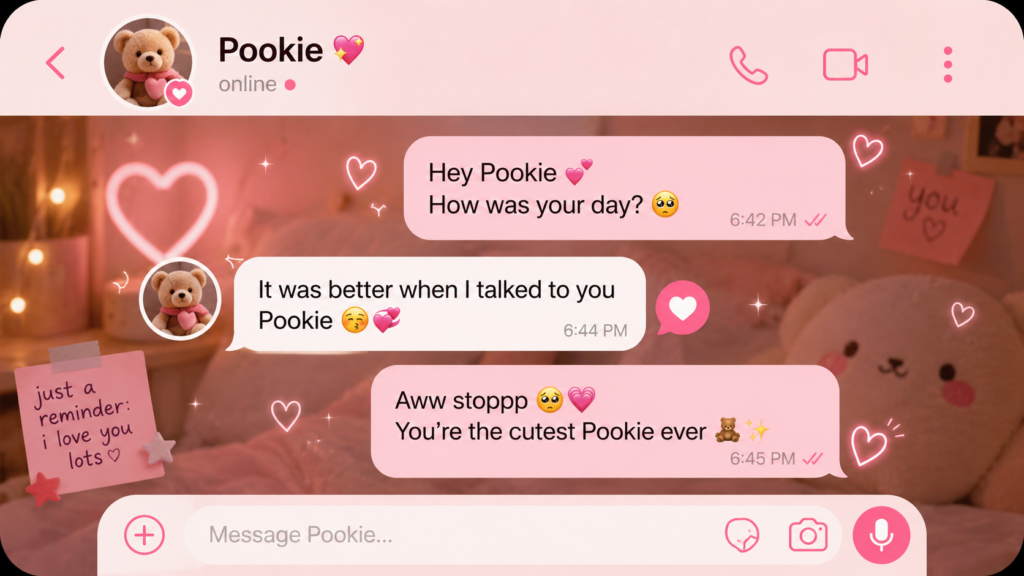

“Pookie” is one of those internet words that feels playful, affectionate, and oddly personal at the same time. Today, people use it in texts, social media captions, memes, and romantic conversations across the United States. While the word sounds cute and simple, its meaning changes depending on tone, relationship, and context.
In many American conversations, “pookie” works as a nickname for someone loved or emotionally close. However, it can also appear jokingly between friends, in viral internet culture, or even as exaggerated slang online. Because digital language changes quickly, many people now search for the real meaning behind the term.
The rise of TikTok, texting culture, and meme humor helped “pookie” evolve from a private pet name into a public online expression. Today, it carries emotional, cultural, and psychological meanings tied to affection, comfort, humor, and identity.
Quick Answer
Pookie Definition & Meaning in Text: What It Really Means in Modern Conversations usually refers to an affectionate nickname for someone loved, cherished, or emotionally close. In the USA, people commonly use “pookie” in romantic texts, playful friendships, and social media humor. More broadly, it symbolizes warmth, emotional closeness, and cute digital communication.
TL;DR
• “Pookie” is mainly an affectionate nickname.
• Americans often use it in texts and relationships.
• Social media turned it into playful internet slang.
• The word suggests comfort, closeness, and emotional warmth.
• Its tone can be romantic, friendly, or ironic.
• Modern memes helped expand its meaning online.
What Does Pookie Mean?
The Basic Definition
“Pookie” is usually a pet name. People say it to someone they care about deeply. In most cases, it signals affection, tenderness, or emotional comfort.
Unlike formal nicknames, “pookie” sounds soft and playful. Because of that, it often appears in casual conversations rather than serious settings.
Today, Americans commonly use it between:
• Romantic partners
• Close friends
• Family members
• Children and parents
• Online mutuals or internet friends
Why the Word Feels Emotional
The sound of “pookie” matters as much as the meaning. Soft consonants and rounded vowels often create feelings of safety and sweetness in language.
Because of this, the nickname can feel:
• Childlike and comforting
• Warm and emotionally safe
• Silly in a lovable way
• Intimate without sounding formal
• Personal and emotionally close
The History Behind the Word Pookie
Early Nickname Traditions
Nobody knows the exact origin of “pookie.” However, it likely developed from American baby-talk traditions during the twentieth century. Similar affectionate names appeared in families and romantic relationships for decades.
Pet names like “honey,” “baby,” and “sweetie” became common in American culture after the rise of television, suburban family life, and casual dating language in the 1950s and 1960s.
“Pookie” followed a similar pattern. Instead of carrying a literal meaning, it worked through emotional sound and familiarity.
Pop Culture Influence
Several fictional characters and television references helped normalize the word. Over time, audiences began associating “pookie” with lovable or quirky personalities.
Internet culture later revived the nickname. Social media platforms especially accelerated its spread between 2020 and 2026.
Internet Revival
TikTok and meme culture transformed “pookie” into a highly visible online expression. Couples began using it publicly in videos and captions. Soon, creators also used it ironically or humorously.
Because internet humor often exaggerates affection, “pookie” became both sincere and comedic at once.
Pookie Meaning in American Culture
Why Americans Use It So Often
American communication became increasingly casual during the digital era. Texting encouraged short, emotional, and personalized language.
“Pookie” fits perfectly into that style because it feels:
• Informal and emotionally expressive
• Cute without sounding old-fashioned
• Flexible across friendships and romance
• Easy to use online
• Playful in memes and jokes
Relationship Culture in the USA
In the United States, pet names often symbolize emotional intimacy. Couples use nicknames to create private emotional worlds.
“Pookie” works especially well because it sounds exaggerated and affectionate at the same time. Many Americans also enjoy ironic humor, so overly cute nicknames became trendy again online.
Regional and Generational Differences
Older generations may view “pookie” as childish or overly sweet. Meanwhile, younger Americans often see it as funny, trendy, or emotionally expressive.
Gen Z and younger Millennials especially use it in:
• TikTok comments
• Couple videos
• Group chats
• Meme captions
• Gaming communities
Pookie in Text Messages and Social Media
How the Meaning Changes Online
Tone matters heavily in digital conversations. Depending on context, “pookie” can sound deeply affectionate or completely sarcastic.
For example:
• “Good morning, pookie” sounds romantic.
• “Relax, pookie” may sound teasing.
• “That’s my pookie” feels playful online.
Viral Social Media Trends
Internet trends helped transform the nickname into a meme identity. Some users now call celebrities, fictional characters, or favorite creators “pookie” jokingly.
This reflects a broader internet habit of exaggerated affection.
Common Online Uses
| Context | Meaning in the USA | Common Associations | Notes |
| Romantic texts | Affection and intimacy | Love, comfort, closeness | Most common meaning |
| Friend conversations | Playful teasing | Humor, bonding | Often ironic |
| TikTok captions | Cute internet slang | Trendy aesthetics | Frequently exaggerated |
| Meme culture | Mock affection | Comedy, absurdity | Tone matters heavily |
| Family nicknames | Tender affection | Childhood warmth | More traditional use |
Emotional and Psychological Meaning of Pookie
Why People Love Affectionate Nicknames
Nicknames often create emotional security. They help relationships feel more personal and emotionally safe.
“Pookie” especially suggests emotional softness. Because the word sounds harmless and comforting, it often lowers emotional tension in conversations.
Emotional Associations
People commonly connect the nickname with:
• Warmth and affection
• Emotional reassurance
• Playfulness and humor
• Comfort and familiarity
• Attention and care
Digital Intimacy
Modern relationships increasingly happen through screens. Texting language now carries emotional weight once expressed face-to-face.
Because of this shift, words like “pookie” became emotional shortcuts for closeness.
Also Read This: JOI Meaning in Text: What It Really Means
Is Pookie Romantic or Friendly?
Romantic Meaning
Most commonly, “pookie” appears between romantic partners. Couples use it similarly to “baby” or “babe.”
In romantic settings, it usually symbolizes:
• Emotional attachment
• Physical affection
• Private intimacy
• Soft emotional energy
• Relationship closeness
Friendly Meaning
Friends also use “pookie” jokingly. In these cases, the nickname may sound intentionally dramatic or silly.
Online friendships especially blur the line between sincere and ironic affection.
Context Always Matters
The same word can feel sweet, awkward, funny, or sarcastic depending on tone and relationship.
Because internet language changes rapidly, users often rely on shared humor to interpret meaning.
Pookie as a Symbol of Softness and Comfort
The Rise of “Soft” Internet Culture
Modern online culture increasingly values emotional openness, comfort aesthetics, and gentle humor. Terms like “pookie” fit this emotional trend perfectly.
People often connect the nickname with:
• Cozy emotional energy
• Safe relationships
• Cute aesthetics
• Gentle humor
• Emotional vulnerability
Comfort Language in Difficult Times
During stressful periods, many internet communities embraced softer communication styles. Affectionate nicknames became part of that shift.
As a result, “pookie” sometimes symbolizes emotional escape from harsh online spaces.
Cross-Cultural Views of Affectionate Nicknames
Universal Patterns
Many cultures use soft, playful nicknames for loved ones. While “pookie” itself is mainly American English slang, the emotional idea behind it appears worldwide.
For example, cultures often create pet names based on:
• Animals
• Sweet foods
• Childhood language
• Soft sounds
• Small or cute imagery
Cultural Differences
Some cultures prefer more reserved language in public relationships. Others openly use affectionate nicknames socially.
Because of that, “pookie” may feel unusual, humorous, or overly intimate outside American internet culture.
Internet Globalization
Social media spreads slang quickly across countries. Today, non-Americans also use “pookie” after seeing it in memes or TikTok videos.
However, meanings may shift slightly between cultures.
Pookie in Memes and Pop Culture
Meme Humor and Exaggeration
Modern meme culture loves exaggerated emotional language. Calling someone “pookie” dramatically can create comedic contrast.
For example, people may jokingly say:
• “That’s my pookie bear.”
• “Protect pookie at all costs.”
• “Pookie deserves better.”
Fan Communities
Online fandoms often use affectionate language toward fictional characters or celebrities. In these spaces, “pookie” becomes a humorous sign of attachment.
It can symbolize:
• Emotional investment
• Protective feelings
• Parasocial affection
• Community humor
• Shared internet identity
Misunderstandings and Controversies Around the Word
When It Sounds Condescending
Not everyone enjoys affectionate nicknames. Some people feel “pookie” sounds childish or overly intimate.
If used incorrectly, it may feel:
• Patronizing
• Embarrassing
• Forced
• Overly familiar
• Insincere
Irony vs. Genuine Affection
One modern confusion involves sincerity. Internet humor often mixes real emotion with irony.
As a result, people sometimes struggle to tell whether “pookie” is meant seriously or sarcastically.
Changing Internet Language
Online slang changes quickly. Words once considered deeply affectionate can become jokes or memes within months.
Still, “pookie” remains widely associated with warmth rather than negativity.
How the Meaning of Pookie Changed Over Time
Earlier Generations
Historically, “pookie” mostly stayed private. Families and couples used it quietly at home.
Back then, the nickname symbolized personal intimacy rather than public identity.
The Social Media Era
Public online culture changed everything. Affectionate language moved into visible digital spaces like TikTok comments and viral videos.
This created new meanings:
• Performative affection
• Meme-based humor
• Shared online slang
• Public relationship branding
• Community bonding language
Modern Hybrid Meaning
Today, “pookie” exists in two worlds simultaneously:
• Genuine emotional affection
• Playful internet exaggeration
That dual meaning explains why the word remains popular.
Why People Search for the Meaning of Pookie
Confusion Around Internet Slang
Many people first encounter the word online without context. Because tone is difficult to read digitally, users often search for clarification.
Generational Curiosity
Parents, teachers, and older users may hear younger people saying “pookie” frequently online. Naturally, they want to understand the emotional meaning behind it.
Emotional Language Trends
Modern communication increasingly values emotional expression. Nicknames now function almost like social symbols online.
Because of that, understanding terms like “pookie” helps decode modern internet culture.
FAQs
What does pookie mean in a text?
Usually, it’s an affectionate nickname. In most American texting culture, it signals closeness, warmth, or playful love.
Is calling someone pookie romantic?
Often yes, especially between couples. However, friends also use it jokingly or ironically online.
Why is pookie popular on TikTok?
TikTok trends helped turn affectionate nicknames into meme language. “Pookie” became popular because it sounds funny, soft, and emotionally expressive.
Can pookie be used sarcastically?
Yes. Many internet users say it sarcastically for humor. Still, the word usually keeps a playful tone rather than a hostile one.
Is pookie a compliment?
Generally, yes. Calling someone “pookie” usually shows affection or emotional fondness.
Do adults use the word pookie?
Yes, many adults use it casually. However, tone and relationship context matter heavily.
Conclusion:
The meaning of “pookie” goes far beyond a simple nickname. In modern American culture, it symbolizes affection, emotional closeness, playful humor, and digital intimacy. Although the word sounds lighthearted, it reflects bigger changes in how people communicate online and express connection through language.
Today, Pookie Definition & Meaning in Text: What It Really Means in Modern Conversations continues evolving through memes, texting culture, and social media trends. Sometimes it sounds deeply sincere. Other times, it appears ironic or exaggerated for humor. Either way, the word remains tied to warmth, comfort, and emotional familiarity.
As internet language keeps changing, affectionate slang like “pookie” offers a small glimpse into how modern people build relationships, identity, and connection in everyday digital life.