
“What’s a 304 meaning?” is a question many people started asking after the slang exploded across TikTok, livestreams, gaming chats, and meme culture. At first glance, the number looks random. However, online communities quickly turned it into a coded insult with a specific meaning.
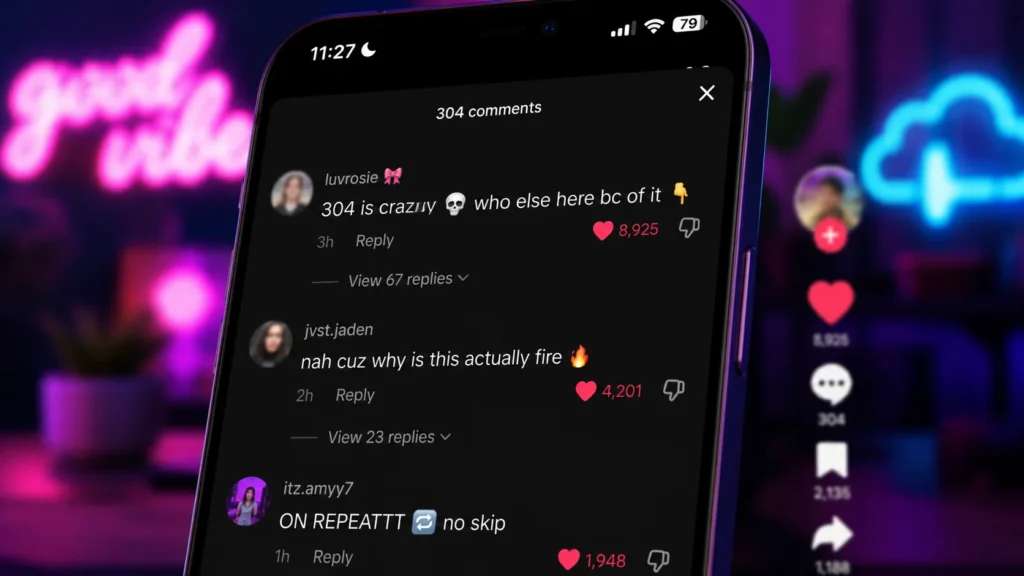
Today, “304” is mostly used in American internet culture. People often use it to avoid moderation filters on apps that block offensive language. Because of that, the term spread fast across short-form videos, comment sections, and social media jokes during 2025 and 2026.
Still, the slang carries deeper cultural meaning than many users realize. It reflects how internet language changes, how coded symbols develop online, and how certain insults become normalized through memes and viral trends. For many readers, understanding “304” is less about the number itself and more about decoding modern digital culture.
Quick Answer
“What’s a 304 meaning?” In modern American internet slang, “304” is usually a coded way to say “hoe” or “whore.” The number becomes the word when flipped upside down on a calculator-style display. Today, it’s mainly used online to avoid censorship filters, often in TikTok comments, livestream chats, and memes.
TL;DR
• “304” is internet slang with a hidden insult meaning.
• The number spells a word when flipped upside down.
• TikTok and livestream culture helped popularize the term.
• Americans mainly use it in meme and comment culture.
• Many people view the slang as disrespectful or misogynistic.
• Its meaning shifted from joke code to mainstream slang.
What Does 304 Mean in Slang?
This section explains the basic definition behind the viral phrase. For many Americans, the slang appeared suddenly through social media trends, especially among younger users.
Because the number looks harmless at first, many people miss the hidden meaning entirely. That mystery helped the slang spread faster online.
The Calculator Code Meaning
The slang works through an old calculator trick. When “304” is turned upside down, it resembles the word “hOE” or “hoe.”
Over time, internet users connected the number to insults aimed at women. Today, people usually use it to label someone as promiscuous or attention-seeking online.
Why People Use Numbers Instead of Words
Many platforms automatically flag offensive terms. As a result, users often replace words with numbers, symbols, or abbreviations.
Common reasons people use “304” include:
• Avoiding moderation filters on social apps
• Making insults less obvious to adults
• Following meme and gaming culture trends
• Hiding offensive language in public comments
• Creating “inside joke” internet language
• Copying viral creators and streamers
Where Did 304 Slang Come From?
Although “304” feels modern, its roots connect to much older digital culture. Numeric wordplay existed long before TikTok.
In fact, calculator spelling jokes became popular in the late 20th century among students and teenagers in the United States.
Early Calculator Humor
During the 1980s and 1990s, kids often typed numbers into calculators to create upside-down words. Similar examples included “80085” for “BOOBS.”
Back then, the jokes stayed mostly playful and private. However, internet culture later transformed them into public slang symbols.
Internet Forums and Gaming Culture
By the 2000s, coded language became common in forums, multiplayer games, and chat rooms. Users frequently replaced sensitive words with numbers.
Eventually, “304” evolved from a simple joke into an insult used across digital communities.
The TikTok Explosion
The slang became far more visible during the early 2020s. TikTok creators, livestreamers, and reaction channels began using it openly.
Today, many younger Americans recognize “304” instantly because of:
• TikTok comment sections
• Streaming culture
• Gaming communities
• Meme accounts
• YouTube shorts
• Viral drama clips
Why 304 Became Popular in America
American internet culture strongly shapes modern slang trends. Because the United States dominates many social platforms, phrases often spread nationally before moving worldwide.
“304” reflects several major online habits common in the USA today.
Algorithm-Friendly Slang
Social platforms reward engagement. People often use coded language to discuss controversial topics without getting posts removed.
As a result, terms like “304” feel safer for creators trying to avoid penalties.
Shock Humor and Meme Culture
American meme culture often mixes humor with insult-based jokes. Numbers, hidden meanings, and coded phrases fit perfectly into that environment.
For some users, saying “304” feels less harsh than saying the actual insult directly. However, others argue the meaning remains equally offensive.
Social Identity and Online Groups
Internet slang also creates group identity. Knowing what “304” means can signal that someone understands online culture.
Among younger users, slang sometimes acts like a social password.
The Symbolism Behind the Number 304
Although “304” is mostly slang, the number itself gained symbolic meaning through online repetition. Numbers often develop emotional or cultural associations over time.
Today, “304” symbolizes more than just a hidden insult.
A Symbol of Internet Coding
The number represents how modern internet users communicate indirectly. Instead of saying things openly, people rely on symbols, abbreviations, and hidden meanings.
That trend appears across social media culture today.
Rebellion Against Moderation
Some users see coded slang as a way to outsmart platform rules. Because of that, “304” symbolizes resistance against automated censorship systems.
However, critics argue this behavior mainly helps harmful language survive online.
Viral Identity Marker
The term also became a marker of “chronically online” culture. People who recognize it often spend significant time in digital spaces.
In that sense, “304” symbolizes modern internet fluency.
Emotional and Psychological Associations
Slang terms carry emotional weight, even when disguised as jokes. In the United States, “304” often triggers strong reactions depending on context.
For some people, it feels humorous. For others, it feels insulting or degrading.
Common Emotional Associations
People commonly connect “304” with:
• Judgment and shame
• Online humiliation
• Gossip culture
• Viral drama
• Mean-girl humor
• Digital bullying
Why Coded Insults Feel Powerful
Hidden language can feel more socially acceptable than direct insults. Because of that, users may say harsher things than they normally would.
Psychologically, coded slang creates distance between the speaker and the insult.
Internet Detachment
Modern online culture sometimes weakens emotional accountability. Users often repeat phrases without fully considering their impact.
That pattern helped “304” spread quickly across younger audiences.
304 Meaning on TikTok
TikTok played a massive role in turning “304” into mainstream slang. Many Americans first encountered the term through viral videos or comments.
Today, TikTok remains the platform most associated with the phrase.
How Creators Use It
Creators often use “304” in reaction videos, gossip clips, or relationship discussions.
Typical uses include:
• Calling someone “messy” online
• Insulting influencers during drama
• Mocking dating behavior
• Creating rage-bait content
• Avoiding moderation flags
• Making viral joke captions
Why TikTok Encouraged Code Language
TikTok moderation systems pushed users toward coded vocabulary. Similar trends appeared with words replaced by symbols or altered spelling.
As a result, numeric slang became part of platform culture.
The Role of Virality
Once a slang term trends, millions of users repeat it quickly. Many people adopt phrases without understanding their full meaning.
That viral cycle keeps slang alive long after its original context fades.
304 Meaning in Text Messages and Dating Culture
Outside TikTok, people also use “304” in texting and dating conversations. However, the tone changes depending on context.
Some users treat it as playful slang, while others see it as openly disrespectful.
Also Read This: CFS Meaning Slang: Text, TikTok & Social Media
Common Relationship Contexts
The slang often appears during:
| Context | Meaning in the USA | Common Associations | Notes |
| Dating arguments | Insulting someone’s behavior | Jealousy, anger | Often emotionally charged |
| Meme flirting | Edgy humor between friends | Sarcasm | Context matters heavily |
| Gossip chats | Labeling someone negatively | Judgment | Frequently controversial |
| Livestream comments | Public humiliation jokes | Viral reactions | Often anonymous |
| Gaming chats | Trash talk slang | Group humor | Usually fast-moving |
Why the Term Feels Controversial
Many critics view “304” as misogynistic because it targets women more often than men.
However, some younger users claim they use it jokingly without serious intent. The disagreement reflects broader debates about internet humor today.
Is 304 Offensive?
This is one of the most common questions Americans ask about the slang. The answer depends heavily on context, tone, and audience.
Still, many people do consider the term offensive.
Why Critics Object to It
Critics argue the slang normalizes disrespect toward women. Even when hidden behind numbers, the insult remains recognizable.
Concerns usually include:
• Cyberbullying culture
• Misogynistic humor
• Public shaming trends
• Harassment in comment sections
• Toxic influencer behavior
• Desensitization to insults
Why Some Users Defend It
Others argue the term functions mainly as meme slang. They compare it to exaggerated internet roasting culture.
However, online humor constantly changes, and meanings shift over time.
Generational Differences
Older Americans often find the term confusing or unnecessarily cruel. Younger users may see it as ordinary internet language.
That gap reflects broader changes in digital communication styles.
Cross-Cultural Meanings and Global Spread
Although “304” started mainly in English-speaking online spaces, it spread internationally through American social media.
Today, many users outside the USA recognize the slang because of TikTok and streaming culture.
Internet Language Has No Borders
Modern slang travels quickly between countries. Viral trends cross cultures within days instead of years.
As a result, even numeric jokes can become global symbols.
Different Cultural Reactions
Not every culture interprets the slang the same way. Some regions view it as harmless meme humor, while others see it as deeply disrespectful.
Cultural attitudes toward gender and insult language strongly shape these reactions.
How 304 Reflects Modern Internet Culture
The rise of “304” says a lot about today’s digital world. Modern slang changes faster than ever before.
At the same time, platforms constantly influence how language evolves.
The Era of Hidden Meanings
Internet users increasingly communicate through codes, abbreviations, and layered references.
Examples include:
• Numeric slang
• Emoji symbolism
• Abbreviated insults
• Meme catchphrases
• Censored spellings
• Inside-community language
Humor and Harshness Blending Together
Modern online humor often mixes irony with cruelty. Many viral phrases exist somewhere between joke and insult.
“304” fits that pattern closely.
Attention Economy Culture
Controversial slang spreads because it attracts reactions. Outrage, confusion, and shock all increase engagement online.
That environment helps edgy phrases survive longer.
How the Meaning of 304 Changed Over Time
The meaning of “304” evolved significantly over the years. Originally, it was just a calculator joke.
Today, it carries social and emotional weight online.
From Playground Joke to Viral Slang
Older calculator humor focused mostly on surprise and silliness. However, internet culture gave the number a sharper tone.
Eventually, the slang became tied to judgment and online identity.
Mainstream Recognition
By 2025 and 2026, many Americans outside youth culture began hearing the term. Parents, teachers, and news commentators started discussing it too.
That shift moved “304” from niche slang into broader cultural awareness.
Future Meaning Shifts
Internet language changes rapidly. Some slang disappears within months, while other phrases become permanent cultural references.
“304” may eventually fade or transform again.
Why People Search “What’s a 304 Meaning?”
Search interest around the phrase reflects growing curiosity about internet slang. Many adults encounter the term unexpectedly online.
Because the number seems harmless, people often search for explanations immediately.
Common Reasons for Searches
People usually look up the phrase because:
• They saw it on TikTok
• A child used the slang
• A streamer mentioned it
• A comment section used it repeatedly
• They wanted cultural context
• They suspected hidden meaning
Internet Literacy Matters
Understanding slang helps people navigate modern digital spaces more confidently. Parents, teachers, and casual users often research phrases to avoid misunderstandings.
That curiosity reflects how deeply online language shapes daily life.
FAQs
What does 304 stand for?
“304” is slang that usually represents the word “hoe” when flipped upside down like calculator text. It became popular through social media and internet meme culture.
Is 304 a bad word?
Many people consider it offensive because it’s often used as an insult toward women. However, some online users treat it as meme slang or sarcastic humor.
Why do TikTok users say 304?
TikTok users often use “304” to avoid content moderation filters. Numeric slang also spreads quickly because it feels secretive and trendy.
Is 304 only used in America?
No, but American internet culture largely popularized it. Today, the slang appears internationally through TikTok, gaming, and streaming communities.
Does 304 always mean something offensive?
Usually, yes. However, context matters. Some users say it jokingly among friends, while others use it aggressively or maliciously.
Where did the calculator trick come from?
Upside-down calculator words became popular in the United States during the 1980s and 1990s. Kids often created hidden words using numbers.
Conclusion
Understanding “What’s a 304 meaning?” reveals more than just a viral slang term. It also shows how internet culture transforms simple symbols into powerful social language.
Today, “304” reflects several modern trends at once: coded communication, platform moderation, meme culture, and shifting attitudes toward online humor. While some users treat it casually, others see it as disrespectful or harmful.
Like many digital slang terms, its meaning continues to evolve. However, its popularity reminds us that numbers, symbols, and hidden language now shape everyday communication in the United States and far beyond.