
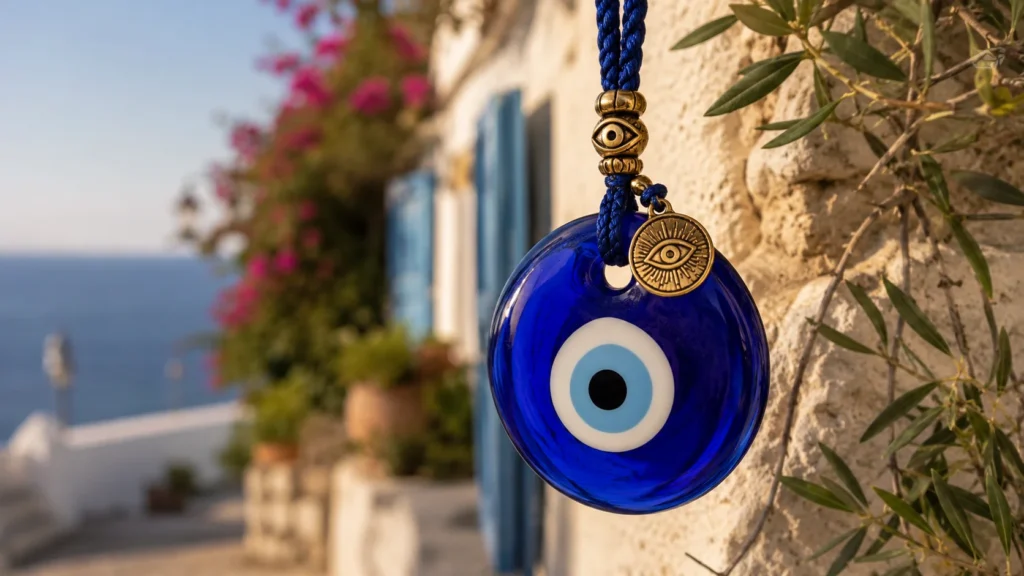

The evil eye is one of the world’s oldest and most recognized symbols. Today, many Americans wear evil eye jewelry, hang blue charms in their homes, or share the symbol online without fully knowing its deeper meaning. Yet behind the familiar blue eye is a long history tied to fear, protection, envy, spirituality, and human psychology.
So, what does the evil eye really mean? In simple terms, it represents protection against harmful envy or negative energy. Across many cultures, people believed that jealousy itself could cause bad luck, illness, or emotional harm. The evil eye symbol developed as a way to guard against those unseen dangers.
In the United States, the symbol has shifted over time. For some, it’s spiritual. For others, it’s cultural, fashionable, or emotional. Because of social media and modern wellness trends, the evil eye has become both a protective charm and a personal identity symbol.
Quick Answer
What Does the Evil Eye Mean? The real meaning of the evil eye centers on protection from jealousy, envy, and negative energy. In the United States today, people often wear evil eye jewelry or display the symbol for emotional security, spiritual comfort, or cultural connection, while older traditions viewed it as protection against harmful intentions.
TL;DR
• The evil eye symbolizes protection from envy and negativity.
• Its roots go back thousands of years.
• Blue eye charms are the most common modern version.
• Americans often use it in jewelry and home decor.
• Different cultures interpret the symbol differently.
• Today, it blends spirituality, fashion, and psychology.
What Is the Evil Eye?
The evil eye can refer to both a curse and a protective symbol. This dual meaning often confuses people in the United States. Historically, the “evil eye” meant a harmful glance fueled by envy. Over time, protective charms were created to block that danger.
The Symbol’s Appearance
Most evil eye symbols share a few visual features:
• A circular eye-like design
• Bright blue or deep turquoise colors
• White and black concentric circles
• Glass, beads, or painted surfaces
• Protective jewelry or hanging decorations
Today, the blue glass amulet is the version most Americans recognize. However, older forms existed in many colors and materials.
Why the Eye Matters
The eye represents awareness, watching, and spiritual defense. Because eyes communicate emotion and intention, many cultures believed they could also carry harmful energy.
In ancient traditions, an envious look was not just emotional. It was thought to create real physical or spiritual harm.
The Ancient History of the Evil Eye
The evil eye is far older than modern fashion trends. Historians trace belief in the evil eye back thousands of years to ancient civilizations around the Mediterranean and Middle East.
Ancient Greece and Rome
Ancient Greeks strongly feared envy. They believed excessive praise or jealousy could attract misfortune.
Greek writers described the evil eye as a real spiritual danger. Roman society later adopted similar beliefs.
Common ancient practices included:
• Wearing protective amulets
• Using blue stones or glass
• Spitting lightly for protection
• Avoiding excessive compliments
• Invoking protective prayers
Pre-Christian and Pagan Roots
Long before Christianity spread across Europe, many pagan traditions treated envy as a dangerous spiritual force. Protection symbols appeared in homes, clothing, and rituals.
The evil eye became part of folk traditions because it addressed a universal fear: unwanted attention from others.
Spread Across Trade Routes
As trade expanded, beliefs about the evil eye traveled between regions. Versions appeared in:
• Turkey
• Egypt
• Persia
• North Africa
• Southern Europe
• South Asia
Although details differed, the central idea stayed similar: envy could spiritually harm a person.
What Does the Evil Eye Symbolize Today?
Modern interpretations of the evil eye are broader and more personal. In the United States, many people see it less as a literal curse and more as a symbol of emotional protection.
Protection From Negative Energy
This is the most common modern meaning. Many people wear the symbol to feel protected from toxic people, stress, or emotional harm.
For example, someone might wear an evil eye bracelet during difficult periods in life.
Awareness and Boundaries
The eye also symbolizes alertness and self-protection. It reminds people to notice unhealthy relationships or negative environments.
Because of this, the symbol often appears in wellness spaces.
Luck and Emotional Comfort
Some Americans treat evil eye charms similarly to lucky charms. Even without religious belief, the symbol can create a sense of reassurance.
Evil Eye Meaning in American Culture
The evil eye became especially visible in the United States during the 2010s and 2020s. Social media, fashion brands, and spiritual wellness trends helped popularize it.
Social Media and Pop Culture
Platforms like Instagram and TikTok turned the evil eye into a recognizable aesthetic symbol. Influencers often paired it with crystals, astrology, or mindfulness themes.
Common modern uses include:
• Phone wallpapers
• Jewelry stacks
• Tattoos
• Home decor
• Fashion accessories
• Digital art
Connection to Identity
For many Americans with Mediterranean, Middle Eastern, Latin American, or South Asian backgrounds, the symbol also reflects cultural heritage.
In these cases, wearing the evil eye can feel deeply personal rather than trendy.
Everyday American Meanings
| Context | Meaning in the USA | Common Associations | Notes |
| Jewelry | Protection and style | Bracelets, necklaces | Often worn daily |
| Home Decor | Spiritual safety | Hanging charms | Common near entrances |
| Tattoos | Strength and awareness | Personal healing | Often minimalist |
| Social Media | Energy protection | Wellness culture | Popular with younger users |
| Gifts | Good wishes | Friendship and support | Seen as thoughtful |
Why Is the Evil Eye Usually Blue?
Blue is the most recognized evil eye color today. However, different traditions explain the color differently.
Ancient Beliefs About Blue Eyes
Some historians believe ancient Mediterranean cultures associated blue eyes with unusual or intense power because they were rare in certain regions.
As a result, blue became linked with protection.
Water and the Sky
Blue also symbolizes calmness, depth, and spiritual balance. Many traditions connect it with water and the sky, both seen as protective natural forces.
Modern Color Meanings
Today, different evil eye colors may carry symbolic meanings:
• Blue for protection and calm
• Red for courage and energy
• Green for growth and success
• White for clarity and peace
• Black for strength and power
These meanings are mostly modern interpretations rather than ancient rules.
Spiritual Meaning of the Evil Eye
Spiritual interpretations vary widely. Some people see the evil eye as a sacred protective symbol, while others treat it as cultural folklore.
Energy and Intention
Modern spiritual communities often connect the evil eye with emotional energy. In this view, envy and resentment affect relationships and mental well-being.
The symbol becomes a reminder to protect emotional balance.
Religious Connections
Beliefs about the evil eye appear in several religions, including:
• Islam
• Judaism
• Christianity
• Hindu traditions
• Folk spiritual practices
However, interpretations differ. Some religious people embrace protective symbols, while others avoid them.
Also Read This: EVOO Meaning: What It Really Means and Why Everyone Says It
Spiritual vs. Superstitious Views
In the United States, many people use the symbol casually without believing in literal curses. Others take it very seriously as spiritual protection.
This difference explains why opinions about the symbol can vary strongly.
The Psychology Behind the Evil Eye
Part of the evil eye’s lasting power comes from psychology. Human beings naturally worry about judgment, envy, and social tension.
Fear of Jealousy
People often fear attracting too much attention. Across cultures, excessive praise was sometimes avoided because it could trigger envy.
That fear still exists today.
Emotional Protection
Symbols can create emotional comfort. Even when people do not literally believe in curses, protective objects may reduce stress or anxiety.
Social Media and Modern Anxiety
Modern online life increases comparison and public visibility. Because of this, the evil eye resonates with many younger Americans.
It reflects concerns about:
• Online jealousy
• Public attention
• Toxic relationships
• Emotional burnout
• Social pressure
Evil Eye Jewelry and Tattoos
The evil eye is now one of America’s most popular spiritual-style symbols. Jewelry and tattoos especially helped normalize its use.
Jewelry Meanings
People wear evil eye jewelry for many reasons:
• Protection during stressful times
• Cultural connection
• Fashion and aesthetics
• Spiritual reassurance
• Gift symbolism
Bracelets remain especially popular because they’re easy to wear daily.
Tattoo Symbolism
Evil eye tattoos often symbolize resilience, awareness, or emotional survival. Some combine the symbol with flowers, moons, snakes, or celestial imagery.
Minimalist designs are especially common among younger adults.
Placement and Meaning
Common tattoo placements include:
• Wrist
• Shoulder
• Neck
• Ankle
• Ribcage
Placement usually reflects personal style rather than strict tradition.
Cross-Cultural Meanings of the Evil Eye
The evil eye exists in many cultures, but meanings and practices differ.
Turkish Traditions
Turkey is closely associated with the blue glass “nazar” charm. These charms commonly appear in homes, businesses, and vehicles.
Middle Eastern Beliefs
Many Middle Eastern traditions view the evil eye as a serious spiritual concern connected to envy and attention.
Protective prayers are often important alongside physical symbols.
Latin American Traditions
In parts of Latin America, people may use charms, prayers, or rituals to protect children from harmful attention.
Babies are sometimes considered especially vulnerable.
South Asian Interpretations
South Asian traditions often include rituals designed to remove negative attention or jealousy.
Although practices vary, the emotional concern around envy remains similar.
Misunderstandings and Controversies
The evil eye’s popularity has also created misunderstandings. Some people see it as harmless fashion, while others view it as sacred or deeply cultural.
Cultural Appropriation Concerns
Critics sometimes argue that commercial fashion trends remove the symbol from its cultural roots.
This debate appears often online, especially when companies market the symbol without acknowledging its history.
Religious Objections
Certain religious groups discourage belief in charms or protective objects. They may see reliance on symbols as spiritually inappropriate.
Others accept the symbol as part of cultural tradition instead of worship.
Confusion About “Good” vs. “Bad”
Many Americans mistakenly think the evil eye itself is evil. In reality, the symbol is usually meant to block evil, not create it.
That confusion remains common.
How the Meaning Has Changed Over Time
The meaning of the evil eye has evolved dramatically over centuries. Ancient people often treated it as a literal danger. Modern Americans usually approach it more symbolically.
Ancient Fear vs. Modern Wellness
Older traditions focused on survival, illness, and spiritual danger. Today, the symbol often connects to emotional wellness and mindfulness.
From Sacred Object to Fashion Symbol
As globalization increased, the evil eye entered mainstream fashion. Celebrities and influencers helped popularize it far beyond its original regions.
Revival of Spiritual Symbols
Interestingly, younger generations are reviving ancient symbols in new ways. Many people now seek symbols that feel meaningful in stressful digital environments.
The evil eye fits this need because it blends history, identity, and emotional reassurance.
Evil Eye in Home Decor and Daily Life
The evil eye is no longer limited to jewelry. Americans now use it throughout everyday spaces.
Popular Decor Uses
Common examples include:
• Wall hangings
• Door charms
• Pillows and blankets
• Car accessories
• Keychains
• Office decorations
Why People Display It
Some use it for spiritual reasons. Others simply enjoy its appearance and symbolism.
The eye’s bold circular design also makes it visually striking in modern interiors.
FAQs
Is the evil eye good or bad?
The evil eye symbol is generally considered protective. Traditionally, it blocks harmful envy or negative intentions rather than causing harm itself.
What does wearing an evil eye bracelet mean?
Most people wear evil eye bracelets for protection, emotional comfort, or cultural connection. Some also see them as symbols of mindfulness and personal boundaries.
Is the evil eye connected to religion?
The evil eye appears in several religious and cultural traditions. However, many modern users treat it as cultural or symbolic rather than strictly religious.
Why do celebrities wear the evil eye?
Celebrities often wear it as a fashion symbol, spiritual charm, or wellness accessory. Social media also helped make the symbol trendy in American culture.
Can anyone wear the evil eye?
Many people across different backgrounds wear evil eye symbols today. However, some believe it’s important to respect the symbol’s cultural history and origins.
What happens if an evil eye charm breaks?
Some traditions say a broken charm absorbed negative energy and protected the wearer. Others simply see breakage as normal wear and tear.
Conclusion
The evil eye remains powerful because it speaks to a timeless human experience: the fear of envy, judgment, and unseen negativity. Across thousands of years, people created symbols and rituals to feel safer, stronger, and more emotionally protected.
Today, What Does the Evil Eye Mean? For many Americans, it represents protection, awareness, emotional balance, and cultural identity. Some view it spiritually. Others simply appreciate its beauty and history.
Either way, the symbol continues evolving with modern life. In a world shaped by attention, comparison, and constant visibility, the ancient idea behind the evil eye still feels surprisingly relevant.