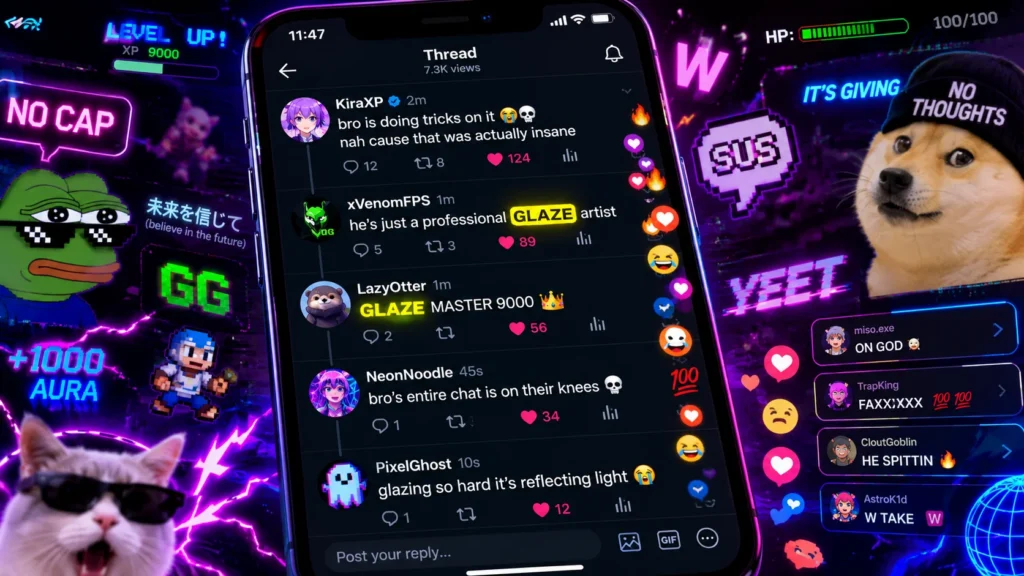

Glaze Meaning Slang: What It Really Means in Modern Text Culture has become a growing topic online, especially among younger Americans using TikTok, Discord, gaming chats, and meme-heavy social media spaces. Although the word once referred mostly to cooking, pottery, or shiny surfaces, its slang meaning has changed dramatically in recent years.
Today, “glaze” usually describes excessive praise, admiration, or “hyping someone up too much.” In many online conversations, calling someone a “glazer” suggests they’re defending, complimenting, or obsessing over a person beyond what others think is reasonable.
Because internet language changes quickly, many people now wonder where this slang came from, why it became popular, and what it says about modern digital culture in the United States. The meaning also shifts depending on tone, platform, and social group, making it one of the more interesting slang terms of 2025–2026.
Quick Answer
Glaze Meaning Slang usually refers to overly praising, defending, or admiring someone online. In the USA, it’s commonly used in sports debates, gaming communities, TikTok comments, and meme culture to mock excessive fandom or biased support.
TL;DR
• “Glaze” means excessive praise or admiration online.
• The slang grew through gaming, sports, and meme culture.
• “Glazer” describes someone obsessively supportive.
• Americans often use it jokingly or sarcastically.
• The term reflects modern internet identity and fandom culture.
• Its tone can range from playful to insulting.
What Does Glaze Mean in Slang?
The Basic Internet Definition
In modern online slang, “glaze” usually means praising someone too intensely. The word often carries sarcasm or criticism. If users say someone is “glazing,” they usually mean that person is acting overly loyal or flattering.
For example, a sports fan constantly defending a favorite athlete may be accused of “glazing.” Similarly, gamers, streamers, celebrities, and influencers often attract comments calling their fans “glazers.”
The term is especially popular in fast-moving digital spaces where humor and mockery mix together.
Common Modern Uses
• Defending celebrities regardless of criticism
• Praising athletes after weak performances
• Overhyping influencers or streamers
• Acting biased during online debates
• Posting constant admiration comments
• Treating public figures like heroes
Why the Word Feels Humorous
Part of the slang’s popularity comes from exaggeration. The image behind “glazing” suggests covering someone with attention, compliments, or approval until it becomes excessive.
Because of that, the word often appears in meme culture where overreaction is the joke itself.
Where Did the Slang Word Glaze Come From?
Earlier Literal Meanings
Historically, “glaze” referred to smooth, shiny coatings. Americans commonly used the word for:
• Donuts and pastries
• Pottery finishes
• Window surfaces
• Artistic coatings
• Glassy appearances
The idea behind the slang likely grew from the concept of “covering” something completely.
Internet Evolution
The slang meaning appears to have developed gradually through online gaming and sports communities during the late 2010s and early 2020s. By 2024 and 2025, the word spread heavily across TikTok, YouTube comments, livestream chats, and meme pages.
Instead of describing an object, “glaze” began describing behavior. Specifically, it described excessive admiration directed toward another person.
Connection to Meme Culture
Modern internet humor often transforms normal words into exaggerated social labels. “Glaze” followed that pattern.
Other slang terms evolved similarly:
• “Cooked” changed from food to failure
• “Cook” became praise for good ideas
• “Mid” became criticism for average quality
• “Aura” shifted into meme personality culture
Because younger Americans constantly remix language online, ordinary words often gain entirely new symbolic meanings.
Why Glaze Became Popular in the USA
Sports Culture and Online Debates
American sports culture helped popularize the term. Basketball, football, and combat sports communities frequently use “glazing” during heated fan arguments.
For example, if someone praises a famous player nonstop, rival fans may accuse them of glazing.
This works especially well online because sports debates reward exaggeration and emotional reactions.
Influencer and Streaming Culture
Livestreaming also helped spread the word. Fans often become emotionally attached to creators they watch daily. Critics then label intense loyalty as “glazing.”
Today, the slang appears across:
• Twitch chats
• YouTube comments
• TikTok videos
• Discord servers
• Instagram reels
• X posts and meme threads
Humor Through Irony
Americans increasingly use ironic humor online. Many people now intentionally “glaze” as part of the joke.
For example, someone might dramatically praise a friend’s basic achievement just for comedic effect.
That playful exaggeration keeps the term culturally relevant.
Glaze Meaning in Text Messages and Social Media
How People Use It in Conversations
The word appears in short, casual exchanges. It’s often used as a reaction rather than a serious accusation.
Examples include:
• “Stop glazing him.”
• “Bro is glazing hard.”
• “That’s elite glazing.”
• “Certified glazer behavior.”
• “You’re glazing for no reason.”
Tone Matters
The meaning changes based on tone and friendship level. Sometimes it’s harmless teasing. Other times, it’s meant as genuine criticism.
Among close friends, the term usually feels playful. However, in public arguments, it can become insulting.
Social Media Symbolism
The slang also reflects a deeper shift in internet behavior. Online culture now revolves heavily around fandoms, influencers, and personal branding.
As a result, “glazing” symbolizes concerns about:
• Blind loyalty
• Parasocial attachment
• Online tribalism
• Fan obsession
• Digital identity performance
The Difference Between Glazing and Supporting Someone
Normal Support vs Excessive Praise
Not all admiration counts as glazing. The slang usually implies imbalance or exaggeration.
| Context | Normal Support | Considered “Glazing” |
| Sports | Praising a good performance | Defending every mistake |
| Gaming | Enjoying a streamer | Treating streamer as perfect |
| Music | Liking an artist | Attacking all criticism |
| Friendship | Encouraging someone | Constant exaggerated praise |
| Social Media | Positive comments | Endless obsessive posting |
Why the Distinction Matters
Americans value confidence and enthusiasm. However, online communities also dislike behavior that feels fake, obsessive, or overly biased.
Because of that, “glazing” becomes a social warning against excessive loyalty.
Glazer Meaning Explained
What Is a Glazer?
A “glazer” is the person doing the glazing. The label is usually humorous but can feel mocking.
People often call someone a glazer when they:
• Defend celebrities constantly
• Ignore obvious flaws
• Repeat excessive compliments
• Attack critics aggressively
• Treat influencers like personal friends
The Rise of Identity Labels Online
Internet culture loves quick identity terms. Labels like “glazer” spread because they summarize complicated social behavior in one word.
This mirrors other modern slang identities:
• Hater
• Stan
• Simp
• Troll
• Fanboy
• Meat rider
Each label reflects different internet relationship dynamics.
Psychological Meaning Behind the Slang
Why People “Glaze”
The term connects to deeper emotional behavior online. Many users form strong attachments to public figures because digital media feels personal and constant.
Fans may defend creators because they identify emotionally with them.
Emotional Associations
Glazing often symbolizes:
• Loyalty
• Admiration
• Identity protection
• Social belonging
• Emotional investment
• Desire for group approval
Why Others React Negatively
Critics dislike glazing because it appears irrational or dishonest. Excessive praise can make discussions feel one-sided.
In American culture, authenticity matters strongly online. Therefore, behavior viewed as fake or obsessive often gets mocked quickly.
Glaze Meaning in Gaming Culture
Competitive Gaming Origins
Gaming communities helped popularize the slang early on. Competitive games encourage strong loyalties toward teams, players, and streamers.
When fans defended favorite players excessively, others began calling it glazing.
Common Gaming Situations
• Defending weak gameplay
• Praising streamers nonstop
• Arguing over rankings
• Supporting favorite esports teams
• Overreacting to updates
Meme Energy in Gaming
Gaming humor thrives on exaggeration. Because of that, “glazing” became both criticism and entertainment.
Sometimes players intentionally glaze ironically just to make friends laugh.
TikTok and Meme Culture’s Role
Viral Language Trends
TikTok dramatically accelerated the word’s spread in the USA. Short videos reward fast, memorable slang that audiences instantly recognize.
By 2025, “glaze” became common in reaction clips and comment sections.
Why TikTok Loved the Word
The slang works well because it’s:
• Short
• Funny
• Flexible
• Easy to exaggerate
• Visually expressive
• Socially recognizable
Meme Symbolism
In meme culture, glazing symbolizes exaggerated fandom and performative admiration. The word fits perfectly into modern ironic humor styles.
Users often joke about “Olympic-level glazing” or “Hall of Fame glazing” for comedic effect.
Cross-Cultural Meanings and Language Shifts
Different Meanings Outside the USA
Although the slang is strongest in American internet culture, English-speaking communities worldwide now use it online.
However, meaning and intensity vary by region.
Earlier Cultural Associations
Before slang use, “glaze” symbolized smoothness, beauty, preservation, and craftsmanship in many traditions.
For example:
• Ceramic glaze represented artistry
• Food glaze symbolized sweetness and celebration
• Decorative glazing reflected luxury and refinement
Also Read This: Snow Bunny Meaning Slang: What It Really Means in 2026
How Digital Culture Changes Words
Internet communities constantly reshape language. Words once tied to physical objects now carry emotional or social meanings instead.
This transformation reflects how online life changes communication itself.
Is Glaze Always Negative?
Playful vs Insulting Usage
Not always. The meaning depends heavily on context.
Sometimes friends jokingly accuse each other of glazing without serious hostility. Other times, the term becomes harsh criticism during arguments.
Situations Where It Feels Harmless
• Friendly teasing
• Meme reactions
• Sports banter
• Gaming jokes
• Casual fan discussions
Situations Where It Feels Aggressive
• Public humiliation
• Fanbase wars
• Online harassment
• Toxic comment sections
• Celebrity controversies
Because tone matters online, the same word can feel funny or hostile within seconds.
Controversies and Misunderstandings Around the Term
Confusion Across Age Groups
Older Americans sometimes misunderstand the slang completely. Many assume it refers only to food or surfaces.
Meanwhile, younger users instantly recognize its internet meaning.
Rapid Slang Evolution
Internet slang changes quickly. Words may gain new meanings within months. Because of that, confusion is common between generations and online communities.
Potential for Overuse
Some critics argue the term now gets overused online. People sometimes call any compliment “glazing,” even when praise feels reasonable.
That overuse can discourage balanced discussion.
How the Meaning of Glaze Changed Over Time
From Physical Coating to Social Behavior
Originally, glaze described appearance and texture. Over time, internet users turned it into a metaphor for excessive attention and praise.
That shift reflects broader digital language trends.
Timeline of Meaning Evolution
| Era | Main Meaning | Cultural Context |
| Pre-1900s | Smooth coating | Pottery and craftsmanship |
| 1900s | Food decoration | Cooking and baking |
| Early 2000s | Mostly literal use | Everyday language |
| Late 2010s | Emerging online slang | Gaming communities |
| 2024–2026 | Mainstream meme slang | TikTok and social media |
Why the Change Matters
Language evolves alongside technology and culture. “Glaze” shows how digital communication transforms ordinary words into social symbols almost overnight.
Why Slang Like Glaze Resonates Today
Internet Identity and Belonging
Modern Americans spend large amounts of time online. Slang helps people feel connected to digital communities.
Using words like “glaze” signals familiarity with internet culture.
Fast Communication
The term also compresses complicated social behavior into one quick word. Instead of explaining “excessive biased admiration,” users simply say “glazing.”
That speed matters in modern digital spaces.
Humor and Social Status
Online slang often acts like social currency. Knowing current terms can help users appear informed, funny, or culturally aware.
Because of that, slang spreads rapidly across younger audiences.
FAQs
What does glaze mean in slang?
In slang, “glaze” means excessively praising or defending someone online. It’s often used jokingly in sports, gaming, and social media culture.
What is a glazer?
A glazer is someone accused of overhyping or obsessively supporting another person. The label usually appears in internet arguments or meme comments.
Is glaze a bad word?
Not necessarily. It can be playful teasing among friends. However, it may feel insulting in serious online debates.
Where did glaze slang come from?
The slang likely grew from gaming and sports communities during the late 2010s. TikTok and meme culture later pushed it into mainstream internet language.
Why do people say “stop glazing”?
People use the phrase when they think someone is praising another person too much. It usually suggests exaggerated loyalty or bias.
Is glazing the same as being a fan?
No. Being a fan is normal support. Glazing usually implies excessive, obsessive, or unreasonable admiration.
Conclusion
Glaze Meaning Slang: What It Really Means in Modern Text Culture reflects how quickly language evolves online. What once described shiny coatings and sweet pastries now symbolizes exaggerated admiration, fandom, and internet loyalty.
In the USA, the slang became popular through sports debates, gaming culture, TikTok humor, and influencer communities. Today, calling someone a “glazer” can be playful, sarcastic, or openly critical depending on context.
More broadly, the rise of “glaze” shows how digital culture reshapes ordinary words into emotional and social symbols. As internet communities continue evolving, slang like this offers a snapshot of how Americans communicate, joke, argue, and build identity online.