
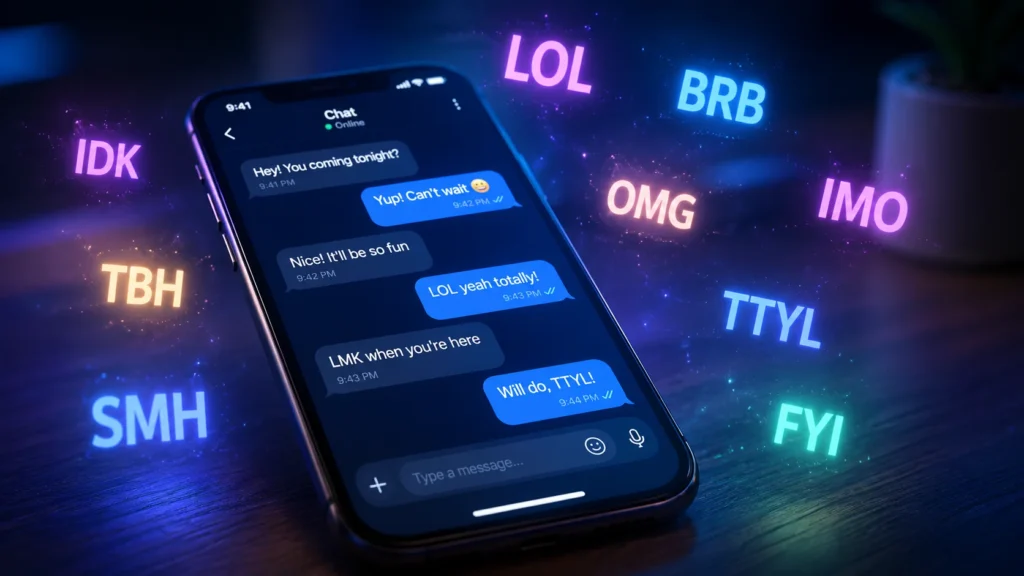

The term TTM meaning in text has become a common part of digital conversations, especially in the United States where texting culture shapes everyday communication. While it looks simple, this small acronym carries layers of emotional and social meaning depending on context.
In modern messaging, people often use TTM to express connection, urgency, or openness in conversation. However, its interpretation has evolved over time as texting habits and online culture have changed.
Understanding TTM meaning in text helps us see how language adapts in fast digital spaces, where short forms carry big emotional weight.
Quick Answer
TTM meaning in text most commonly stands for “Talk To Me” in the USA. It is used when someone wants attention, conversation, or emotional connection in a direct but casual way.
TL;DR
• TTM usually means “Talk To Me” in texting
• Used to invite conversation or emotional connection
• Originates from early internet and SMS culture
• Popular in American casual and youth messaging
• Can feel urgent, playful, or emotionally open
• Meaning changes depending on context
Overview of TTM in Texting Culture
This section explains what TTM represents in everyday digital communication. In the USA, it is widely used in informal texting and social media chats.
Basic Digital Meaning
TTM is a short expression used to request conversation.
• Requests attention from another person
• Signals openness to talk immediately
• Often used in casual relationships
• Common in texting and messaging apps
TTM works as a linguistic shortcut. Instead of writing full sentences, users rely on compact expressions.
Historical Origins of Texting Acronyms
To understand TTM, we need to look at the early days of digital messaging. Acronyms became popular due to character limits and slow typing systems.
Early Digital Communication Roots
Text abbreviations began with SMS messaging in the late 1990s and early 2000s.
• Limited phone keypad typing encouraged shortcuts
• Chat rooms influenced acronym culture
• Early mobile plans restricted message length
• Youth culture drove fast communication styles
TTM likely developed in this environment where speed and simplicity mattered more than grammar.
Evolution From SMS to Social Media Language
As communication moved from SMS to apps like Instagram and Snapchat, acronyms evolved in meaning and tone.
Platform Influence
Different platforms shaped how TTM is used today.
• SMS focused on brevity and cost-saving
• Social media added emotional context
• Messaging apps made communication instant
• Emojis changed how tone is expressed
TTM became less about limitation and more about emotional expression.
Core Meaning of TTM in Modern USA Usage
In the United States today, TTM is mainly understood as a friendly or emotional invitation to talk.
Everyday Interpretation
TTM reflects social connection needs.
• “I want to talk to you”
• “Please message me back”
• “I need your attention now”
• “Let’s connect emotionally”
The meaning depends heavily on tone and relationship between users.
Emotional Meaning and Tone Behind TTM
TTM is not just a phrase; it carries emotional signals. In American texting culture, tone matters more than structure.
Emotional Signals
TTM can express different feelings.
• Loneliness or desire for connection
• Playfulness in casual conversations
• Urgency in important situations
• Affection between close friends or partners
Because it is short, users often interpret it based on context rather than words alone.
How TTM Is Used in Conversations
Understanding real usage helps decode its meaning more clearly. TTM appears in many everyday situations.
Common Conversation Patterns
People use TTM in simple and direct ways.
• After long silence between friends
• During emotional conversations
• When seeking reassurance
• As a casual check-in message
It often works as a conversation starter rather than a full message.
TTM in American Youth and Internet Culture
Youth culture in the USA plays a major role in shaping digital language trends like TTM.
Youth Communication Style
Teen and young adult communication tends to be fast and expressive.
• Heavy use of abbreviations
• Preference for emotional shorthand
• Informal tone in messaging apps
• Frequent use of slang and acronyms
TTM fits naturally into this style because it is short and emotionally open.
Also Read This: FML Meaning in Text Explained: Symbolism & Usage in USA
Cross-Cultural and Global Usage of TTM
While TTM is mostly understood in English-speaking digital spaces, its interpretation varies globally.
Global Differences
Different cultures may interpret TTM differently.
• English users often read it as “Talk To Me”
• Some regions rarely use this acronym
• Non-English speakers may misunderstand it
• Context becomes essential for clarity
This shows how digital symbols are not universal.
Psychological Meaning of Digital Invitations Like TTM
Short messages like TTM reflect deeper emotional patterns in communication behavior.
Human Connection Signals
TTM often reflects psychological needs.
• Desire for social validation
• Need for emotional reassurance
• Fear of disconnection
• Seeking immediate interaction
Because it is brief, it can feel more emotionally direct than longer sentences.
Misunderstandings and Alternate Meanings of TTM
TTM does not always mean the same thing. Context can completely change interpretation.
Possible Confusions
There are multiple meanings depending on context.
• “Talk To Me” in texting
• “Too Much” in informal slang use
• “Through The Mail” in hobby communities
• Financial term “Trailing Twelve Months” in business
Misinterpretation is common without clear context.
TTM in Social Media, Memes, and Digital Identity
On platforms like Instagram, TikTok, and X, TTM can appear in captions, comments, or memes.
Online Expression Style
TTM often supports emotional or aesthetic posts.
• Used in romantic captions
• Appears in emotional meme culture
• Signals openness in bios or comments
• Part of casual internet identity
It helps users express personality in minimal words.
Contextual Examples of TTM Usage in Text
This section shows how TTM appears in real conversations. Context is key to understanding meaning correctly.
Real-Life Message Examples
| Context | Meaning in the USA | Common Associations | Notes |
| Friend texting after silence | Talk to me | Reconnection request | Friendly tone |
| Romantic message | Talk to me | Emotional closeness | Intimate use |
| Group chat message | Talk to me | Attention seeking | Casual urgency |
| Social media comment | Talk to me | Engagement request | Public interaction |
| Late-night text | Talk to me | Emotional need | Sensitive tone |
TTM changes meaning based on timing and relationship.
Shifts in Meaning Over Time
Like many digital expressions, TTM has evolved with technology and culture.
Language Transformation
Its meaning has shifted over the years.
• Early use focused on speed
• Modern use emphasizes emotion
• Social media expanded interpretation
• Younger users made it more expressive
Today, it is less technical and more emotional in nature.
FAQs
Does TTM always mean Talk To Me?
No, it most commonly means that, but context matters. In some cases, it may mean other phrases depending on the conversation.
Is TTM rude in texting?
Not usually. However, it can feel demanding if used abruptly without context or tone.
Where is TTM mostly used?
It is mostly used in the United States in casual texting, social media, and messaging apps.
Can TTM mean something romantic?
Yes, in close relationships it can signal emotional or romantic interest in conversation.
Is TTM still popular today?
Yes, it is still used, especially in informal and youth communication online.
Conclusion
The TTM meaning in text reflects how modern communication blends emotion with simplicity. What starts as a small acronym can carry deep social and emotional meaning in everyday conversations.
In the USA, TTM is more than just shorthand—it represents connection, attention, and human interaction in a fast digital world. Over time, its meaning has expanded, showing how language continues to evolve with technology.